
Cultural Practices
Auspicious Times to Travel and Visit Temples in Sri Lanka
Every year, around the times of the New Year and the great poya days, families come to me not to ask about a marriage or a birth chart, but about a road. "We want to take the children to Kataragama," they say, or "my mother has never seen Sri Pada — when should we set out?" The question is the same one I hear before a wedding: when is the good time to begin? In our tradition a journey, and above all a pilgrimage, is not treated as an ordinary errand. It is a small threshold of its own, and we like to cross it at an hour that carries a settled, generous quality.
This is what we call the nakath — the auspicious timing — for travel. I want to write here about how I think of it, and about how a family can turn a scattered, tiring trip into something quieter and more devotional.
Why the Hour of Departure Matters
People sometimes smile when I say the moment you leave the house matters as much as the temple you are going to. But consider what a departure really is. It is the point where intention becomes movement. In our reckoning of time, some hours are unsettled and better kept for rest; others have an openness to them, a sense that effort begun then tends to flow. A pilgrimage started in haste, in an argument over a forgotten bag, carries that unsettledness the whole way. One begun at a chosen, calm hour tends to stay calm.
When a family asks me for a travel nakath, I work through the same panchanga — the tithi, the vara, the nakshatra, the yoga and the karana — that I would for any beginning, and I weigh it against the direction they are travelling and the deity they mean to honour. Certain nakshatra suit movement and roads; a few are best avoided for setting out. I mark an hour only when these agree.
Planning the Journey Itself
Choosing the auspicious hour is my part. The rest — the unhurried, devotional feel of the day — depends on how the travel itself is arranged, and this is where I often give families a very practical word.
A pilgrimage across Sri Lanka is rarely a single stop. A family from abroad might want Kelaniya and Gangaramaya near Colombo, then the long climb of Sri Pada, then days later the drive down to Kataragama in the deep south. Public buses and rushed taxis undo the calm we worked so carefully to begin with; you arrive at the temple flustered, watching a clock, negotiating a fare at the gate. My advice, especially to clients returning from overseas who no longer know the roads, is to keep the day in the hands of one trusted driver-guide who knows the island and the temples. For that I point people toward Private Driver Tours Sri Lanka, so the departure can happen at the exact auspicious hour I have marked, and the family can spend the drive in conversation and prayer rather than in worry.
There is a real astrological reason for this, not only a comfort one. If I have set an auspicious moment to begin — say a little before six in the morning, when the light is soft and the nakshatra favourable — then the journey should actually start then. A tour arranged in advance with a private driver in Sri Lanka lets you honour that hour precisely, instead of losing it while you wait for a bus that comes when it pleases.
For travel in 2026, an auspicious departure should sit inside a practical plan. Check opening or access arrangements with the temple, allow for weather and road conditions, and confirm current visitor information through the Sri Lanka Tourism Development Authority. Sri Pada access, festival crowds, poya-day traffic, and monsoon conditions can all change the safe duration of a journey. Nakath can choose a meaningful beginning; it does not replace transport planning, official advice, or a decision to delay unsafe travel.
A Few Traditional Cautions
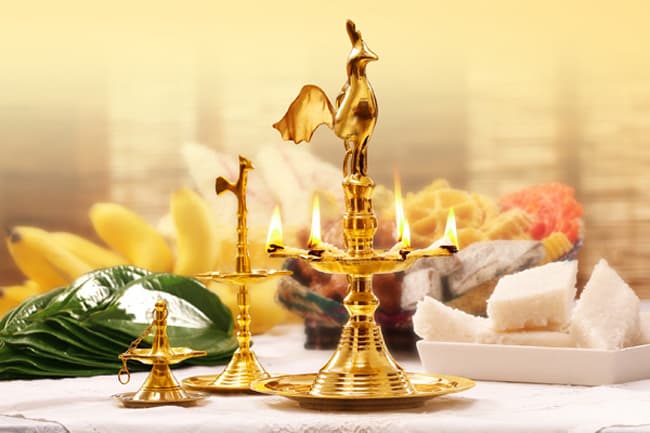
Our elders left us simple rules for the road, and I still pass them on. Before a long pilgrimage many families light a small oil lamp and make a short aspiration at the home shrine, asking for a safe going and returning. Some avoid setting out during rahu kalaya, the inauspicious daily interval, even when the wider nakath is good — so I usually choose a departure that sits clear of it. And it is an old, gentle custom not to look back at the house once you have stepped out on an auspicious journey; you have already given the moment its blessing, and the walking is now the prayer.
Bringing It Together
A pilgrimage well begun is a quiet thing. The hour is chosen with care, the road is placed in steady hands, and the family arrives at the temple gate unhurried, ready to be present. That, in the end, is what nakath for travel is really for — not superstition about lucky and unlucky days, but the same respect we show any threshold worth crossing.
If you are planning a journey to the sacred places of the island and want an auspicious time chosen for your departure, you can request a travel nakath here. Choose the hour with an astrologer; arrange the road with people who know it; and let the day itself be devotion.
ඔබේ පෞද්ගලික ජ්යොතිෂ විශ්ලේෂණයට සූදානම්ද?
ලෝකයේ ඕනෑම තැනක සිට, ප්රවීණ ජ්යොතිෂවේදීන් විසින් සකස් කරන ලද සැබෑ ශ්රී ලාංකික ජ්යොතිෂ විශ්ලේෂණයක් ලබා ගන්න.
අපගේ සේවාවන් බලන්නLearn how we prepare and review our articles in the editorial policy.
අදාළ ලිපි
Nakath: How We Choose Auspicious Times in Sri Lankan Life
A Sri Lankan astrologer explains nakath (auspicious timing): how we choose sacred moments for weddings, house-warmings, New Year and everyday life.

Upan Welawata Namata Akuru: Auspicious Letters for Baby Names in Sri Lanka
A complete guide for Sri Lankan parents on finding 'upan welawata namata akuru' (auspicious letters for baby names) based on birth time astrology. Learn why it matters and how to get the correct nakath letters from a trusted astrologer, even when living abroad.

Sri Lankan Baby Names for Parents Abroad: Choosing a Name with Meaning and Tradition
A complete guide for Sri Lankan parents living abroad on choosing meaningful, culturally rooted baby names based on tradition and astrology, with access to trusted services from Sri Lanka.